Music Videos
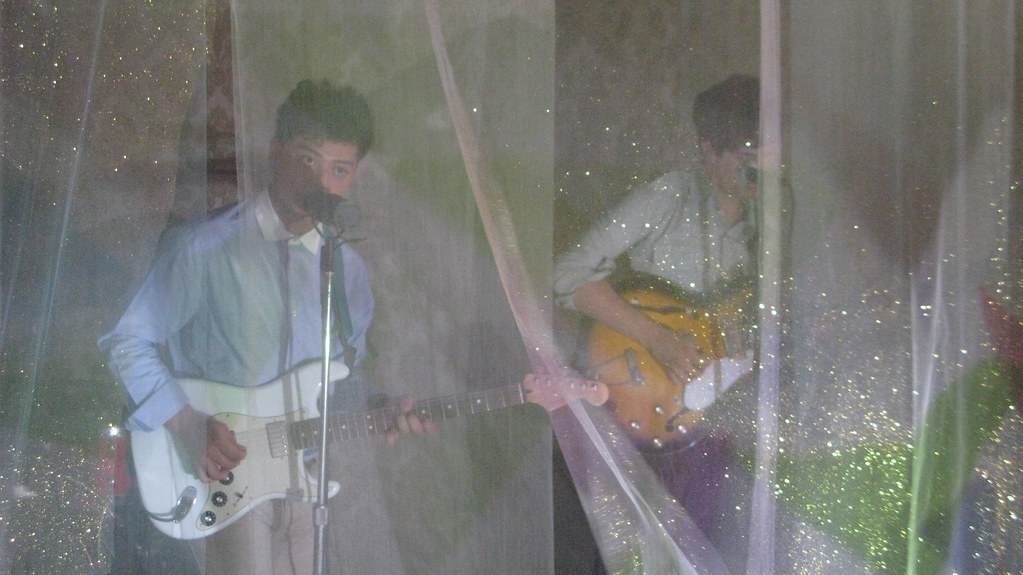
MUZAI Records has long been a home for artists who treat the music video not as an afterthought but as an essential extension of the song itself. The current video slate showcases a striking range of approaches—from lo-fi DIY experiments to high-concept visual narratives—proving that independent labels can still push the medium forward. In this roundup, we explore the latest releases, unpack the ideas behind them, and consider what makes a music video resonate in an era of endless scrolling.
The Raw Energy of Murina's 'Stuff Galore'
Murina's video for "Stuff Galore" is a masterclass in controlled chaos. Shot in what appears to be a cramped rehearsal space, the clip leans into the band's punk ethos with rapid cuts, fisheye lenses, and a color palette that feels like a VHS tape left in the sun. The song itself is a frantic burst of garage-rock energy, and the visuals match it beat for beat—no glossy production, just four people losing themselves in the noise.
What makes the video work is its refusal to pretend to be anything else. There are no narrative pretensions, no symbolic imagery to decode. Instead, Murina offers a document of performance, raw and unfiltered. It's a reminder that sometimes the most compelling music videos are the ones that simply capture a band doing what they do best. For fans of the label's more abrasive side, this is essential viewing.
Dream Logic and Digital Decay: Struggles with Syntax's 'Jung Dreams'
In stark contrast, Struggles with Syntax delivers a video that feels like a half-remembered dream. "Jung Dreams" pairs the project's signature blend of ambient electronics and spoken word with imagery that drifts between analog static and surreal, digitally manipulated landscapes. Faces blur, objects morph, and the whole thing seems to exist in a state of perpetual becoming.

The video draws heavily on Jungian concepts of the collective unconscious, but it never feels academic. Instead, it invites the viewer to surrender to its logic, to let the images wash over them without demanding clear meaning. It's a bold choice for a label known for its punk roots, and it demonstrates MUZAI's willingness to embrace the experimental fringe. The result is a piece that rewards repeat viewings, revealing new details each time.
Duhkqunt's Double Drop: 'Reuben S' and 'The Catastrophe'
Duhkqunt has been one of the most prolific acts on the MUZAI roster, and their recent output includes two distinct videos that showcase different facets of the project. "Reuben S" is a lo-fi, almost voyeuristic clip that follows a single figure through anonymous urban spaces. The camera work is handheld and unsteady, giving the whole thing a documentary feel that borders on uncomfortable. It's a slow burn, but the tension builds with each passing minute.
Then there's "The Catastrophe", a more ambitious piece that pairs the project's industrial-tinged sound with stark, high-contrast imagery. The video is built around a series of tableaux—abandoned buildings, flickering lights, figures in hazmat suits—that suggest a world on the brink of collapse. It's bleak, yes, but there's a strange beauty in its desolation. Together, these two videos show an artist unafraid to explore the darker corners of the human experience.
"A music video should be a conversation with the song, not a translation of it. The best ones leave room for the viewer to bring their own meaning."
Fadoht's '10 Year Flog!' and the Art of the Animated Video
Animation has always been a powerful tool for music videos, allowing artists to visualize the impossible. Fadoht's "10 Year Flog!" embraces this fully, using a mix of hand-drawn and digital animation to create a world that is equal parts whimsical and unsettling. The video follows a cast of strange, puppet-like characters through a series of increasingly bizarre scenarios, all set to the band's off-kilter art-rock.

What's striking about the video is its attention to detail. Every frame is packed with small, almost subliminal touches—a flickering sign, a background character reacting, a subtle shift in color. It's the kind of video that demands to be paused and examined, and it rewards that scrutiny. In an age where many animated videos feel like afterthoughts, Fadoht has created something genuinely immersive.
King Shoji's 'Fear Chemical Exiled': A Study in Restraint
Sometimes the most powerful videos are the simplest. King Shoji's "Fear Chemical Exiled" is a case in point. Shot almost entirely in a single, dimly lit room, the video focuses on the artist's face as he delivers the song's intense, confessional lyrics. There are no cuts to other locations, no flashy effects—just a man and his words.
This restraint is a bold choice in an era of sensory overload, and it pays off. The video forces the viewer to sit with the discomfort of the song's themes, to confront the raw emotion without distraction. It's a testament to King Shoji's power as a performer that he can hold the screen for the entire duration, and it makes for one of the most affecting videos in the MUZAI catalog.
Faux Machismo's 'Dopamine' and the Pleasure of the Unpolished
Faux Machismo has always had a knack for turning limitations into strengths, and their video for "Dopamine" is no exception. Shot on what appears to be a consumer-grade camera, the clip is full of the kind of imperfections that big-budget productions spend thousands to avoid: lens flares, awkward framing, moments of pure happenstance. But rather than detracting from the experience, these elements give the video an infectious, anything-could-happen energy.
The song itself is a catchy, fuzzed-out pop gem, and the video matches its spirit perfectly. It's a reminder that you don't need a massive budget to make something memorable—you just need a good idea and the willingness to follow it wherever it leads. In a music video landscape often dominated by slick, corporate sheen, Faux Machismo's approach feels refreshingly human.
The Bigger Picture: Why Music Videos Still Matter
In an era where attention spans are measured in seconds, the music video might seem like a relic of a bygone age. But as the releases on MUZAI Records demonstrate, the format is far from dead. If anything, it has evolved, becoming more diverse, more experimental, and more essential than ever. A great music video doesn't just promote a song—it deepens our connection to it, offering new layers of meaning and emotion.
For independent artists, the video is also a crucial tool for reaching audiences beyond their local scene. A striking visual can travel across the globe in a matter of hours, introducing a band to listeners who might never have discovered them otherwise. It's a democratizing force, and labels like MUZAI are at the forefront of this movement, championing work that is challenging, personal, and unapologetically weird.
For more on the latest video releases, explore the full Videos section, or dive into specific pieces like Murina's "Stuff Galore" and Struggles with Syntax's "Jung Dreams". And if you want to stay up to date on all things MUZAI, be sure to check back regularly—there's always something new on the horizon.