All Artists

MUZAI Records has always been a label that defies easy categorization, a home for artists who treat genre as a starting point rather than a destination. From the raw, unvarnished energy of punk and post-punk to the sprawling, atmospheric depths of experimental rock and beyond, the roster is a testament to the power of creative independence. This page offers a comprehensive look at the artists who make up the MUZAI family—their sounds, their stories, and the records that define them.
The Spirit of MUZAI: A Label Built on Artistic Freedom
Founded on the belief that music should be a reflection of the artist’s true self, MUZAI Records has spent years cultivating a roster that values authenticity over commercial appeal. The label’s name itself—a playful twist on the word “music”—hints at its ethos: a space where the unexpected is not only welcomed but celebrated. From its early days releasing limited-run cassettes and vinyl to its current digital and physical presence, MUZAI has remained fiercely independent, prioritizing long-term artist development over fleeting trends.
What unites the artists on MUZAI is not a shared sound but a shared commitment to pushing boundaries. Whether it’s the angular guitar work of a post-punk outfit or the sprawling, effects-laden soundscapes of a shoegaze collective, each act brings a distinct voice to the table. The label’s catalog reads like a map of underground music’s most vital corners, and this page is your guide to navigating it.
Featured Artists: A Closer Look
The MUZAI roster is diverse, but each artist has carved out a unique niche. Below, we explore some of the standout acts currently calling the label home, from veteran noise-makers to rising experimentalists. While this is not an exhaustive list, it highlights the range and depth of the MUZAI sound.

Colonel Troutman: The Architects of Controlled Chaos
Colonel Troutman has long been a cornerstone of the MUZAI roster, known for their blistering live shows and a discography that veers between post-hardcore aggression and melodic introspection. Their music is a study in tension—guitars that chime and slash in equal measure, rhythms that shift from pummeling to hypnotic, and vocals that alternate between a whisper and a roar. Tracks from their early EPs remain fan favorites, but it’s their full-length releases that truly showcase their evolution as songwriters.
What sets Colonel Troutman apart is their refusal to be pinned down. One moment they’re channeling the raw energy of early Dischord Records acts, the next they’re exploring the textural depths of bands like Slint or Unwound. This willingness to experiment has earned them a devoted following and made them a natural fit for MUZAI’s boundary-pushing ethos. For those new to the band, their catalog is best experienced chronologically, tracing the arc from raw punk energy to more nuanced, layered compositions. You can find more about their journey on their dedicated page: Colonel Troutman.
Dusker: Shoegaze’s Quiet Revolutionaries
If Colonel Troutman represents the harder edge of MUZAI, Dusker embodies its dreamier side. Formed in the wake of the 2010s shoegaze revival, Dusker quickly distinguished themselves by blending the genre’s signature wall-of-sound guitars with a pop sensibility that makes their songs instantly memorable. Their debut album was a masterclass in dynamics, moving from hushed, reverb-soaked verses to towering, fuzzed-out choruses that feel both nostalgic and forward-thinking.
Dusker’s strength lies in their ability to create atmosphere without sacrificing songcraft. While many shoegaze acts bury their melodies under layers of effects, Dusker ensure that every hook shines through. Lyrically, they explore themes of isolation, memory, and urban alienation, giving their music an emotional weight that resonates long after the final chord fades. Their live performances are equally immersive, often accompanied by projections that enhance the sensory experience. Learn more about their sonic world here: Dusker.
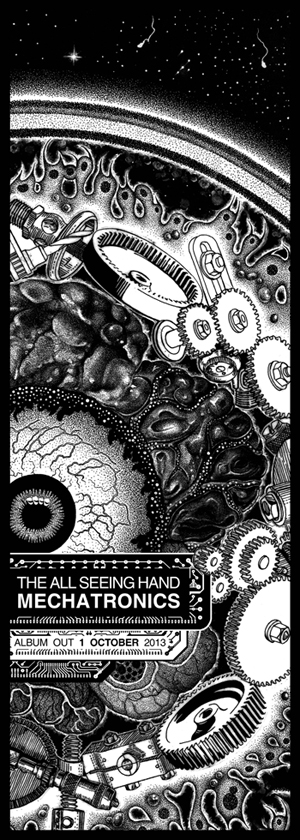
Faux Machismo: Post-Punk’s Sharpest Tongues
Faux Machismo arrived on the scene with a sound that felt both timeless and urgently modern. Drawing on the angular rhythms of bands like Gang of Four and the lyrical wit of The Fall, they craft songs that are as danceable as they are thought-provoking. Their debut single was a statement of intent: a jagged, bass-driven track that skewered contemporary culture with a sardonic grin. Since then, they’ve released a string of EPs and a critically acclaimed full-length that solidified their reputation as one of the most exciting post-punk acts of their generation.
What makes Faux Machismo stand out is their lyrical precision. Their songs are filled with sharp observations about technology, consumerism, and the absurdities of modern life, delivered with a deadpan cool that never feels preachy. Musically, they’re equally adept at crafting tight, minimalist grooves and sprawling, noisy crescendos. Their live shows are legendary for their intensity, often ending with the audience in a sweaty, ecstatic frenzy. For a deeper dive into their discography and ethos, visit their page: Faux Machismo.
Flogging a Dead One Horse Town: Americana’s Dark Underbelly
In a roster dominated by electric guitars and effects pedals, Flogging a Dead One Horse Town offers a striking contrast. This collective blends alt-country, folk, and a touch of gothic Americana to create music that feels like a late-night drive through a forgotten landscape. Their songs are populated by drifters, dreamers, and the down-and-out, delivered with a world-weary authenticity that never tips into cliché. The band’s name itself—a wry nod to the futility of small-town life—sets the tone for their lyrical universe.
Musically, Flogging a Dead One Horse Town is built around acoustic guitars, pedal steel, and rich vocal harmonies, but they’re not afraid to incorporate unexpected textures, from haunting strings to subtle electronic flourishes. Their albums are best enjoyed as complete works, each one telling a loose narrative that unfolds over the course of its runtime. Their live performances are intimate affairs, often in unconventional venues, where the storytelling aspect of their music takes center stage. Discover more about their unique blend of roots and darkness here: Flogging a Dead One Horse Town.

Friggen: The Unclassifiable Noise Makers
No discussion of MUZAI’s roster would be complete without mentioning Friggen, the label’s resident provocateurs. If you try to categorize Friggen, you’ll likely fail—and that’s exactly the point. Their music pulls from noise rock, free jazz, industrial, and even hints of electronic music, resulting in a sound that is chaotic, unpredictable, and utterly compelling. Their live shows are notorious for their unpredictability, often involving improvised sections, audience participation, and the occasional piece of broken equipment.
Friggen’s recordings are equally adventurous, ranging from dense, layered compositions to sparse, unsettling soundscapes. They’re not an easy listen, but for those willing to engage, the rewards are immense. Their work challenges the very notion of what a “song” can be, pushing the boundaries of structure and form while maintaining a visceral, physical impact. They are, in many ways, the purest embodiment of MUZAI’s mission to support art that defies convention. Explore their chaotic world here: Friggen.
“MUZAI has never been about fitting in. It’s about finding the artists who make the music only they can make, and giving them the space to do it.” — A label ethos that runs through every release.
The MUZAI Sound: Common Threads and Divergent Paths
While the artists on MUZAI Records span a wide range of genres, certain threads connect them. There’s a shared commitment to authenticity—a rejection of polished, radio-friendly production in favor of sounds that feel raw and immediate. There’s also a DIY spirit that permeates everything, from the hand-screened album covers to the intimate, sweat-soaked live shows. And there’s a sense of community; many MUZAI artists have collaborated with one another, sharing members, opening for each other on tour, and contributing to each other’s recordings.
At the same time, the diversity of the roster is its greatest strength. A listener who discovers MUZAI through the post-punk angularity of Faux Machismo might be surprised to find themselves drawn to the Americana storytelling of Flogging a Dead One Horse Town. But that’s the beauty of a label that curates based on quality and vision rather than genre. It encourages exploration, inviting fans to step outside their comfort zones and discover something new.
Beyond the Headliners: The Full Roster
While the artists highlighted above are among the most prominent on the label, MUZAI’s roster extends far beyond them. The label has released music by a rotating cast of projects, including one-off collaborations, side projects, and limited-edition releases that capture a moment in time. Some of these artists have gone on to larger labels, while others remain cult favorites, their records treasured by a devoted few.
MUZAI also has a history of reissuing overlooked gems from the past, giving new life to recordings that might otherwise have been lost. These reissues often come with extensive liner notes and remastered audio, offering a fresh perspective on forgotten classics. It’s all part of the label’s mission to document and preserve the fringes of independent music.
How to Explore the MUZAI Catalog
For newcomers, the best way to dive into MUZAI’s world is to start with the artists featured above, each of whom has a dedicated page on this site. From there, explore the label’s full discography, which is available on all major streaming platforms as well as in physical formats through the label’s web store. MUZAI also maintains an active presence on social media, where they share news about upcoming releases, tour dates, and behind-the-scenes glimpses into the creative process.
Whether you’re a longtime fan or a curious newcomer, the artists of MUZAI Records offer a rich and rewarding listening experience. Take your time, explore deeply, and discover why this label has become a beacon for those who believe that music should be made on the artist’s own terms.
To learn more about the label’s history and philosophy, visit About MUZAI Records.